
Over the past few weeks clients have been asking about their skin changes. Some have broken out with spots, others have become sensitised, red, inflamed and dry and they want to know why. There are many considerations as Skin Therapists we have to take in mind when trying to work out what triggered skin changes.
It could be the climate, environment, temperature, pollution, sun exposure, allergies, products they are using, diet, stress, hormones or a combination of all of the above? At Essential well-being, we consider what’s going on in the whole of the body and not just in the skin. The skin is the largest organ of the body and often displays symptoms of what is happening internationally and the most frequent cause of skin conditions is the BRAIN.
The brain controls the nervous system and when triggered by a neurogenic or immunogenic response, it releases neuropeptides, resulting with neurogenic inflammation. The inflammatory symptoms are sensitivity, redness, itchiness, dryness, flare-ups and welts, the condition is often made worse by those who suffer with inflammatory disorders like rosacea eczema and psoriasis. There are 2 types of triggers;
Neurogenic
An internal neurogenic response is triggered by stress, hormones and emotions.
Immunogenic
An immunogenic response is triggered by an external factor, such as allergies, chemicals and anything that the body considers to be attacking.
As our detective work commences we ask our clients lots of questions to work out what has triggered the brain to respond in an inflammatory manner. Stress is the main culprit of many neurogenic skin conditions. Stress raises cortisol, increases inflammation, triggers then brain to produce a neurogenic peptides, stimulates acne and slows down healing. Hormonal changes may also increase redness and reactivity in the skin by increased blood flow, heat and flushing. Increased oestrogen and progesterone can make the skin unpredictable. In addition, the skin doesn’t show the symptoms straight away, it may be two days, two weeks or two months before the symptoms are presented by which time you have forgotten about the situation that particularly stressed or emotionally challenged you.
During the last three months all of us have experienced a massive change in our lives and many of us have found this very stressful, the uncertainty, fear and lack of normality has had a detrimental effect on many of our bodies. During this time many of us have exposed ourselves to a lot more sun without adequate protection, changed our routines and have suffered from both emotional and physical stress and our skins are now telling the tale.
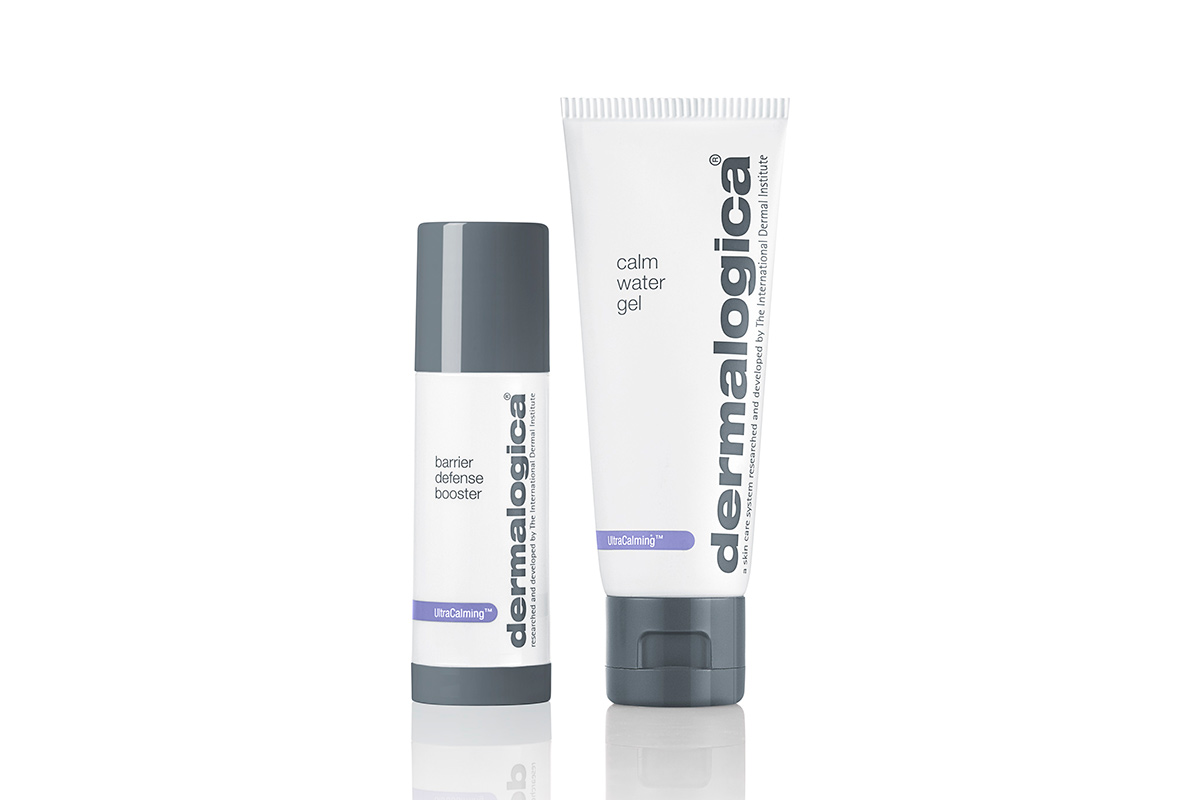
So if your skin has become more sensitive, dehydrated, red, and spotty, it is most probably a neurogenic response from the stress you have been suffering from during lock down. To help elevate your symptoms, change your skincare routine and use products that are hydrating and have calming ingredients such as;
Dermalogica Barrier Defence Booster
Which will naturally sooth the itch, relieve redness and dryness.
It restores the skins surface and reduces inflammation.
Dermalogica Calm Water Gel
This will inhibit neurogenic inflammation, boost hydration and support moisture balance and restore the skin.
Ultra calming cleanser
Delicately fortifies skin’s protective barrier, cools, calms and restores without leaving an irritating residue.
Barrier Repair
Velvety moisturiser which shields against environmental and internal triggers, reducing discomfort, burning and itching.
For further information or support with your skin concerns please contact us at Essential Well-being on 07960 003061