This time of year, a large proportion of my clients are presenting symptoms of sensitivity, in fact, nearly half of the global population describe their skin as sensitive. The temperature variation on our facial skin this time of year can lead to dehydration and dryness. As we go from cold winter winds to warm central heated buildings, our skin has to continually adapt to the environmental changes and eventually becomes sensitised as important moisture levels are lost.
Has your skin become Sensitised or do you have sensitive skin?
It is important to know the difference, let me explain;
Sensitive skin (genetic- hereditary skin sensitivity)
The protective layer which is the epidermal lipid barrier is less efficient at blocking irritants, microbes and allergens and is prone to react with redness, flushing and be more allergic. This pre diposition is genetic and can be managed with appropirate care. People with sensitive skins will have suffered all their life with the condition.
Sentised skin
Sensitised skin occures as a result of lifestyle and external factors such as pollution, environment, stress, diet, weather conditions and temperature extremes. The symptons of sensitised skin can be managed by lifestyle changes and skincare products and symptoms can be cured.
Signs of sensitivity and sensitisation
The skin’s texture becomes translucent and uncomfortable and feels tight, indicating dehydration.
Redness, blotchiness , flaking or even cracking around the mouth and eyes.
Blushing, irritation, itching, burning, small rashlike bumps and breakoutscan occur.
Skin sensitivity can be triggered by a combination of many contributing factors, when the skin is exposed to triggers that compromise the lipid barrier, sensitivity occurs.
Known sensitivity triggers
Lifestyle Triggers:
Diet, stress, alcohol consumption,cosmetics, over exfoliation, incorrect skin care products, spicy food, too many hot showers, air travel.
Environmental Triggers:
Pollution, airborne allergens, smoking, weather and changing temperatures, central heating, air conditioning, sun exposure.
So what happens to the skin?
No matter what the trigger is, the skin’s protective layer will become compromised and essential protection is lost, irritants penetrate through the surface, protective water evaporates resulting in dehydration and a comprimised liped barrier. In many cases of sensitised skin, you will not be able to tolerate your normal skin care productsas they will sting.
Treatment
I recommend:
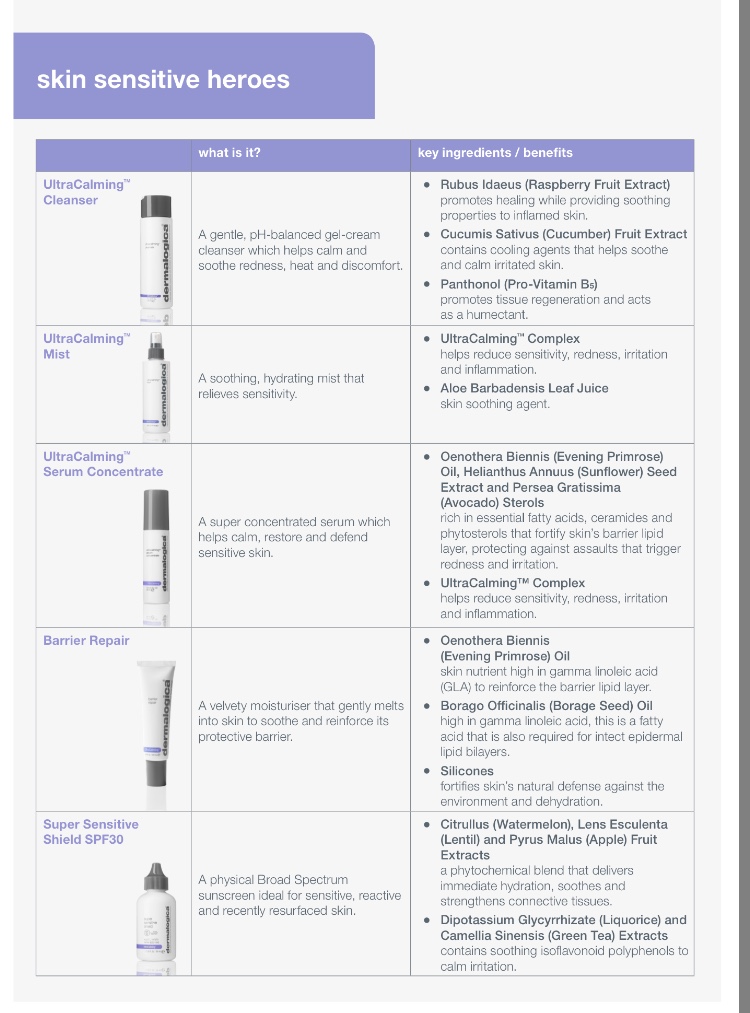
Ultra Calming treatments with soothing, calming and hydrating products which lock in moisture and defend the skin against the environment and external triggers combined with LED Light Therapy.
Replacing your home care with calming products, allowing your skin to repair.
Avoid heat and rubbing your skin, press and pat products in.
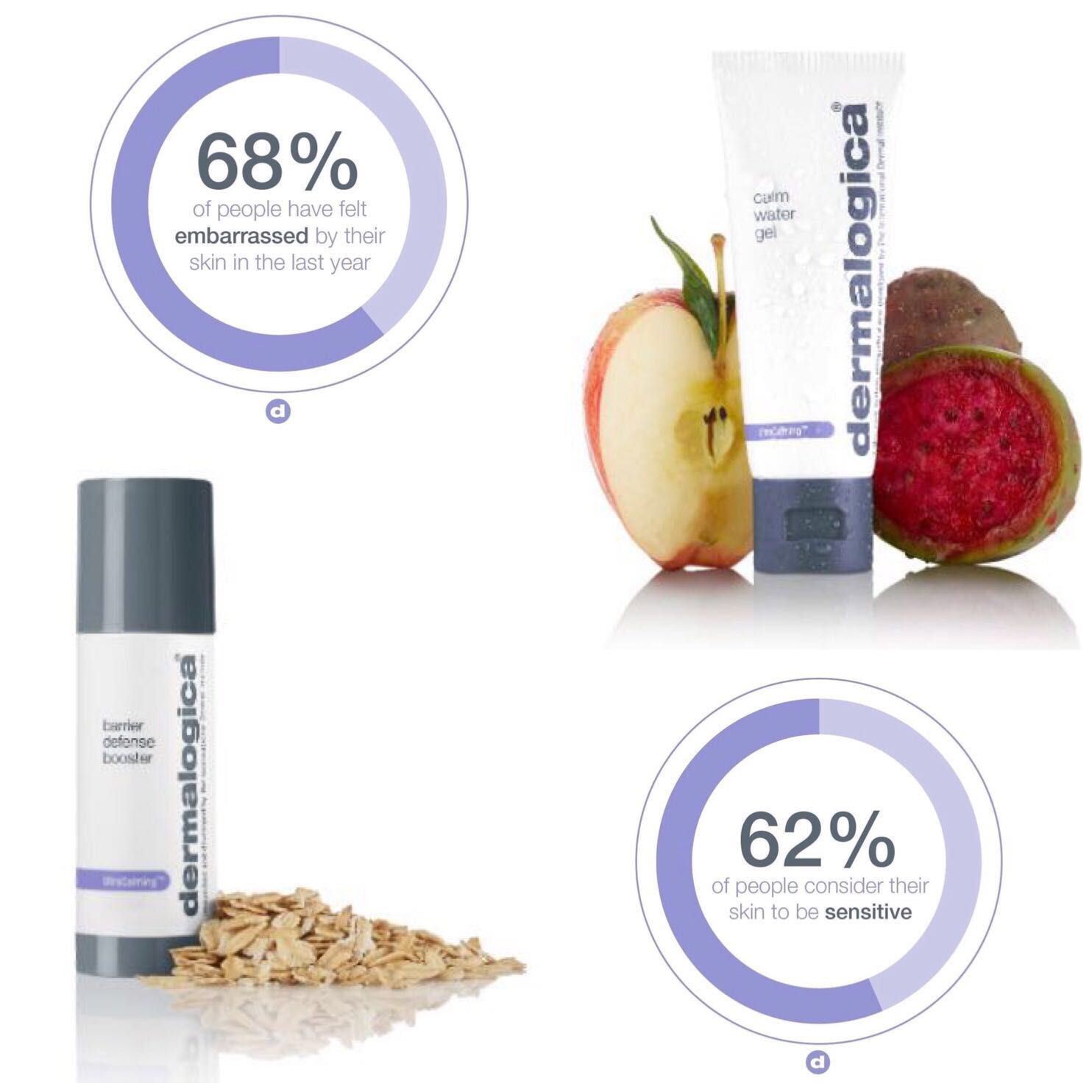
Look for products with calming ingredients such as Colloidal Oatmeal, Aloe Vera, Hyaluronic Acid and Cactus Pear
For further information about sensitised skin, product recommendation and treatment, contact Essential Well-being on 01775 249425.